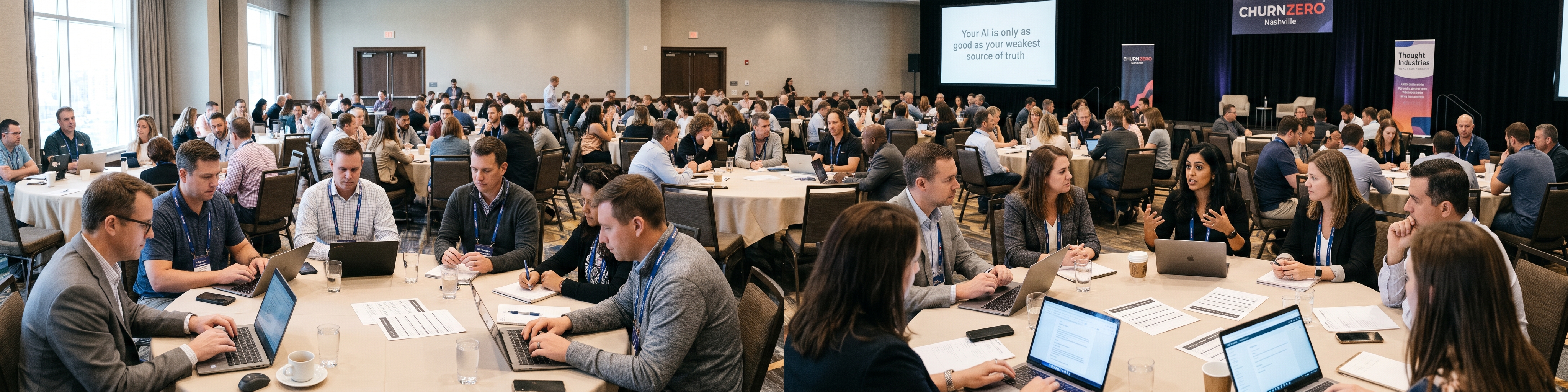


Online course marketing made practical: free and paid channels that attract learners, build your email list, and measure what drives growth.
Last updated: October 30, 2026
Online course marketing starts at the top of the funnel: attracting people who might buy and capturing their email addresses. Start with free channels you already own, such as content, email, your website, events, and influencers, then use paid channels like partner promotions, social and search ads, and affiliates to reach more people like your best customers.
- Why it matters: Acquisition can be your biggest marketing cost. Free channels you already own often bring the best-qualified learners for the least money.
- Build your list: Email subscribers are your most valuable audience: people you can educate and convert over time.
- Measure everything: Track KPIs across the funnel so you put your budget into the channels that actually produce paying learners.
Acquisition can be your biggest marketing expense, but it doesn’t have to be. Online course marketing starts at the top of the funnel: attracting people who might buy and capturing their email addresses. Your email list is your most valuable audience, the people you can educate and convert over time. These tips draw on advice from Michael Daecher, CMO of online music school ArtistWorks in 2017.
What are the best free channels for marketing online courses?
You probably already have low-cost or free channels that represent your brand and reach your existing customers:
| Channel | How to use it |
|---|---|
| Content marketing | Publish free content on topics from your paid courses, interview instructors, and optimize it for search, with a clear call to action on each piece |
| Free classes | Offer a few short, free classes to attract leads who intend to learn and can pay |
| Distribution | Coordinate content across print, online, and in-person channels, and share it through email, social media, and your homepage |
| Your website | Promote courses in high-traffic areas of your site and use banner space to collect email addresses |
| Event tie-ins | Have instructors teach a beginner version at in-person events, then offer attendees a discount to continue online |
| Influencers | Invite bloggers and social creators to take a free class and review it honestly |
Every piece of content should point to a related course. For what that course page needs, see online course landing pages: 9 elements that increase conversion.
What paid channels work for online courses?
If you have budget, paid channels amplify your free channels and reach more people who look like your best customers:
- Partner promotions: Pay partners for dedicated emails or social posts to their audiences, or trade promotions on each other’s channels.
- Social ads: Platforms such as Meta, LinkedIn, and others let you target interests related to your courses.
- Search ads: Search shows strong intent, so pay-per-click ads put your courses at the top of related searches. If you’re new to paid media, work with someone who can manage it and clearly report the return.
- Affiliates: Use an affiliate network or partner directly with bloggers who review your courses, sometimes through barter deals.
- Outdoor, TV, and radio: For mass-market courses with large budgets, these build awareness, but their return is hard to track.
How do you measure your marketing?
Online marketing produces far more data than print, so use it to find the learners most likely to pay:
- Choose your KPIs. Track sales, revenue, new customers, and course completions across the funnel.
- Set up analytics. Use an analytics tool like Google Analytics 4 to set goals and add UTM parameters to campaign links.
- Track paid ads. Add the Google and Meta conversion tags to measure what happens after a click, such as a purchase or sign-up, with visitor consent in place.
- Use your CRM. Target emails and offers to people at each stage of the funnel.
- Iterate. Learn from what works and what doesn’t. As Daecher put it, “Iterate early and often.”
Learning data matters too: which courses people pay for, where they succeed, and where they drop off. To see each learner’s full value over time, track learner lifetime value. For more ways to grow revenue, see how to monetize customer training, and if you train your own customers, read 9 ways to promote your training.
Frequently asked questions
How do you market online courses?
Start by building an email list of potential learners, then promote your courses through channels you already own, such as content, email, your website, and events. Add paid channels like social and search ads once you know what converts, and measure results at every stage of the funnel.
What are the best free channels for marketing online courses?
Free channels include content marketing that covers topics from your courses, your email list, promotion on your own website, tie-ins with in-person events, and influencers or bloggers who review your courses. Free introductory classes are also a proven way to attract qualified leads.
What paid channels work for online courses?
Common paid channels include promotions through partners’ email and social channels, social media ads, search ads, and affiliate programs. Mass-market courses with large budgets can also use outdoor, TV, and radio, though their results are harder to track.
Should you offer free courses to market paid ones?
Yes. A few short, free classes let people try your teaching before they buy, attract leads who intend to learn, and give you email addresses for follow-up. Keep the free courses valuable but leave the full depth for paid courses.
How do you measure online course marketing?
Choose KPIs such as sales, revenue, new customers, and course completions. Track campaigns with an analytics tool and UTM parameters, measure paid ads with conversion tracking, use your CRM to target each funnel stage, and adjust based on what the data shows.
What is top-of-the-funnel marketing for online courses?
Top-of-the-funnel marketing is the work of attracting people who don’t yet know your courses and capturing their contact details. It includes content, social media, search, events, and partnerships, and it feeds the email list you use to convert people into paying learners.
See Thought Industries in action
Get a personalized demo of the Customer Knowledge AI Platform, built around your products and your customers.
Book a personalized demo